Cygnet Class
Class Teacher: Mrs Gabrielle Manzi
Teaching Assistants: Mrs Amanda Epps, Miss Emily Steer, Mrs Victoria Gould and Mr Alex Snow
Welcome to Cygnet Class
Question: where can you…..?
-
discover, explore, imagine
-
build a pirate ship and sail across the Arctic ocean
-
hunt for fossils, buried treasure or both
-
escape the hot lava of an active volcano
-
dig, plant, grow and cook
-
travel to the moon in a homemade space ship
-
paint everyday, if you want to
-
dance freely, sing loudly
-
become a scientist or superhero, mathematician or engineer
…and, of course, learn to read and write your first words…….
Answer: in Cygnet class! – where children explore what it is like to be grown-up, and where grown-ups remember what it was like to be a child.
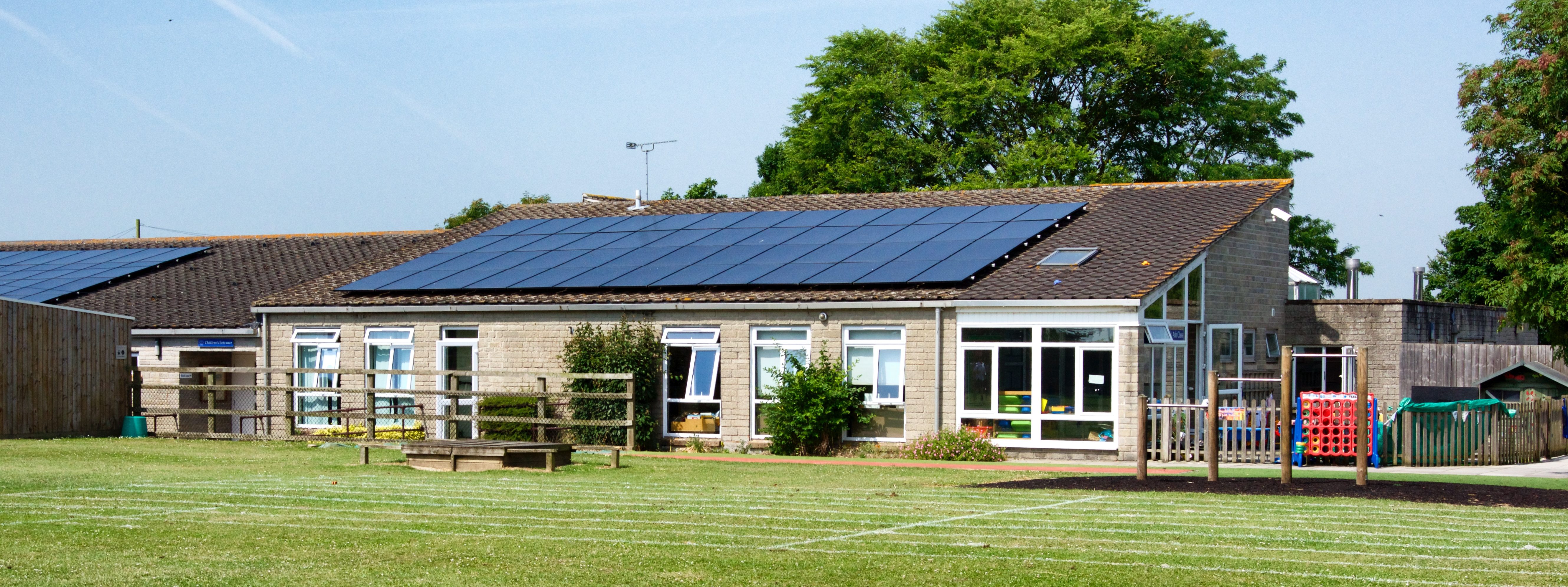
Cygnet Class is where our youngest children begin their time with us. The children in this class are in Reception. In Cygnet Class there is a mixture of play based learning and more formal teacher led learning. A particular favourite of the week is the Welly Walk, where the children go off site around the village and local area learning about their surroundings. Children in Cygnet class have daily phonics lessons and lots and lots of stories. They have many opportunities to explore their learning through hands-on experiences.
Autumn Term 2026
What will we be learning about this term?
Welcome to our first curriculum news post for the year! We are very excited to see our new Reception children start their learning journey with us and we are looking forward to getting to know you and your children over the coming weeks.
During the first half term Cygnet children will be playing and exploring together, finding out about the school routines and getting to know the adults working with them. Their buddies will be on hand to support and guide them too.
We will start learning to read and write through our daily phonics programme and children will bring home a reading book and a library book to share with you. Our initial writing lessons will focus on developing a good pencil grip and writing our name.
Please ask your child to read their school reading book to you at least three times all the way through and try to read everyday if possible, as this will ensure that your child builds confidence and fluency.
Click on the link below to find out how to help your child with their reading:
reading with your child GM 2026
Our topic for the first half of the Autumn term is Wonderful Me! and it will encompass a range of questions and themes, including: Who is special to me? Where do I belong? Where do I live? How have I changed over time? Children will explore these themes through stories, Art, RE, Geography and History.
In Maths we will be learning about numbers to 5 including how to count objects and how to subitise. We will also explore spatial reasoning through learning about shapes and patterns in the environment.
In PE we will learn how to dress and undress before taking part in our multi-skills PE lessons. We will be going on our weekly welly walk with Mrs Staniland, exploring the village and finding out how to stay safe on roads. We will also take part in daily gross motor activities like riding bikes, playing on the play-run and yoga.
Children will also have a Forest School session once a week with Miss Farmer in our lovely school garden.
Don’t forget to send your child in with a named PE kit, wellington boots and a puddle-suit for wet welly walks. Children will also need a complete set of named spare clothes too, just in case of accidents!
Useful Documents and information:
Please find the powerpoint from Mrs Manzi’s presentation to parents about the Early Years Foundation Stage attached for you to look at at your leisure.
Here is the link to the Foundation Stage phonics presentation:
Here is the link to the handwriting website which has lots of ideas to help you support the development of gross and fine motor skills in preparation for handwriting. https://teachhandwriting.co.uk/parents.html
Here are a few things you can do to support your child’s learning at home:
Maths
- Watch Number blocks together and talk about the maths you see
https://www.bbc.co.uk/cbeebies/joinin/numberblocks-help-your-child-with-maths
- Play board games using a dice- this helps your child to practise subitising (seeing a number of objects without having to count them) and turn taking.
- Practise reading and writing numerals
- Count together – up to 100 and beyond
- Sing number songs like Five little Ducks (BBC School radio has lots of number rhymes)
- Make different patterns using everyday objects
- Talk about the shapes you see in the environment
- Cook together – follow a recipe and weigh the ingredients
- Teach them to tell the time – o’clock and half-past the hour
- Say the days of the week and months of the year together
English
- Sing lots of nursery rhymes (BBC School radio will help) https://www.bbc.co.uk/programmes/p06kbsbz
- Read lots and lots of stories together
- Collect a few objects and make up stories together using the objects
- Practise writing the letters of the alphabet
- Support your child to practise writing their name
- Make shopping lists together – either writing or drawing the things you need